
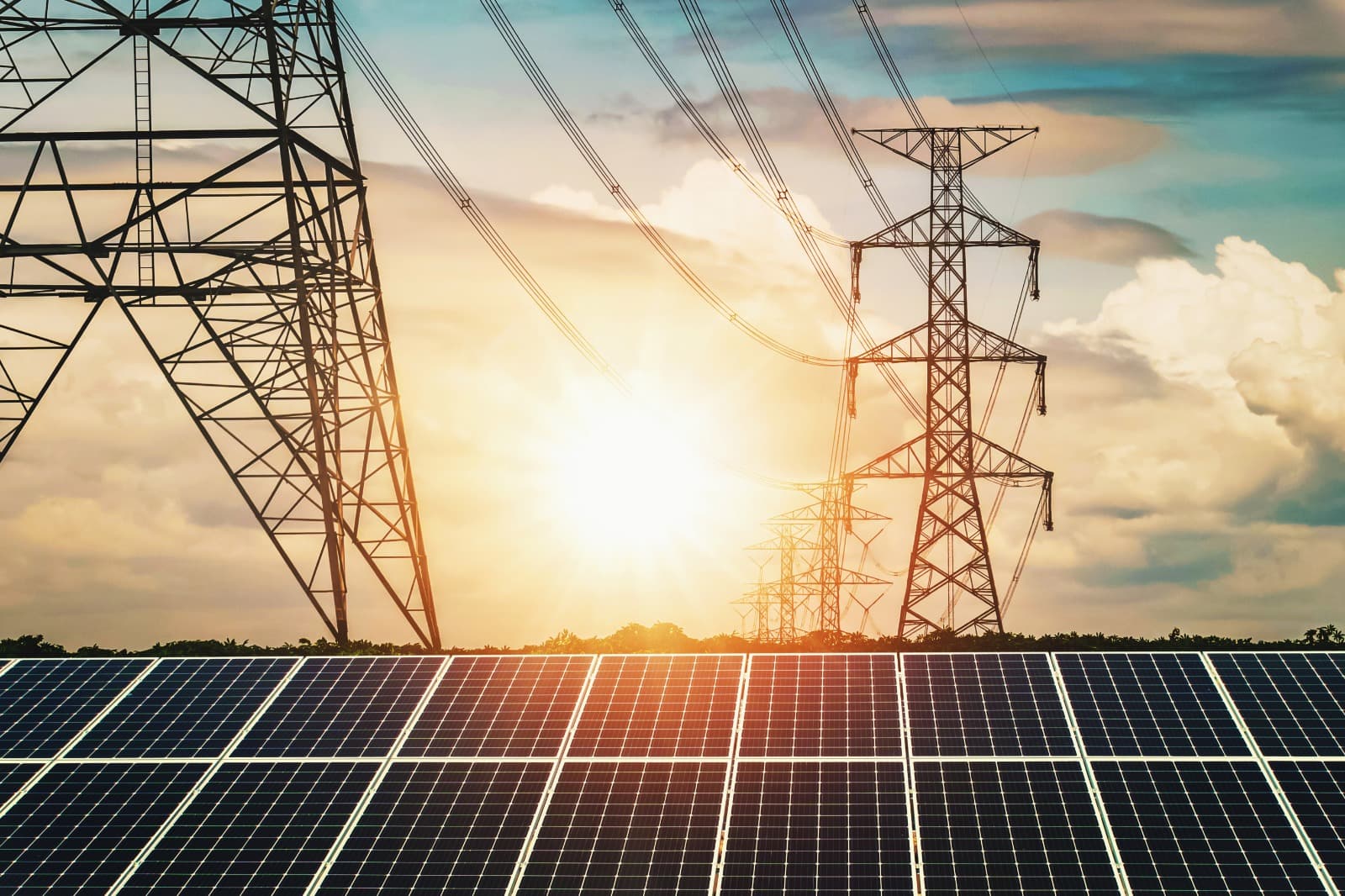
For more than ten years, solar photovoltaic (PV) technology benefited from aggressive cost reductions driven by economies of scale, oversupply, and rapid manufacturing expansion—particularly in China. However, this trend is reversing. By 2026, global solar PV system costs are expected to rise cumulatively by 20% to 30%, marking a structural shift rather than a temporary fluctuation.
The most significant contributor to this increase is China’s policy and tax rebate reforms. China, the world’s largest solar panel and component manufacturer, is implementing major fiscal and regulatory changes to stabilize its domestic solar industry. From April 1, 2026, the Chinese government will abolish the 9% VAT rebate on exported solar panels and silicon wafers. Manufacturers are expected to pass this additional tax burden on to international buyers, resulting in an estimated global price increase of 8% to 10% [1].
Additionally, VAT rebates for batteries will be reduced to 6% through late 2026 and fully abolished in 2027, while solar cells will follow a similar phased withdrawal [2]. Chinese regulators are also considering the introduction of a minimum domestic sale price—potentially around CNY 0.75/W—to improve financial viability across the sector and enforce production discipline [3]. These measures collectively reduce price competition and increase baseline module costs.
Rising raw material prices are another major driver of higher PV system costs. Key materials such as silver, copper, aluminium, glass, and polysilicon have experienced sharp price increases in 2025 and 2026. Silver, which is critical for solar cell metallization, has surged to approximately USD 92.1 per ounce in 2026. Each photovoltaic panel typically contains 15–20 grams of silver for electrical conductivity [5]. As PV manufacturing now consumes nearly 30% of global industrial silver, silver’s contribution to module costs has increased from around 12% to over 17%, surpassing silicon as the largest cost component [1].
Silver prices rose from USD 31.9 per troy ounce in January–March 2025 to around USD 91.2 per troy ounce in January 2026—an increase of nearly 189% [4]. This dramatic rise directly translates into higher panel manufacturing costs. Polysilicon prices have also surged by nearly 50% throughout 2025 due to government-imposed capacity controls and efforts to curb oversupply [6].
Significant cost increases have also been observed in copper, aluminium, and solar glass. Approximately 4.2 tonnes of copper are required per megawatt of solar installation for electrical components and grid connections. Copper prices increased from USD 9,354 per metric ton in early 2025 to USD 13,012 per metric ton in January 2026, representing a 39.1% rise [4]. According to Milan Shivakoti, President of the Kathmandu Electrical Traders Association, the price of a 90-meter roll of copper wire increased from NPR 1,450 to NPR 1,900 within just three months [7]. Aluminium prices, heavily affecting module frames and mounting structures, rose by approximately 19.47% year-on-year [4]. These increases collectively elevate both module and balance-of-system costs.
At the manufacturing level, the industry is undergoing a strategic shift away from the long-standing “volume growth with price decline” model. Leading Chinese manufacturers have formed alliances to strictly control production capacity, shutting down older and less efficient technologies such as PERC in order to reduce oversupply and improve market stability [6]. The sector is transitioning toward high-efficiency N-type technologies, including TOPCon and heterojunction (HJT) modules. While these technologies offer superior performance and longer lifetimes, they require higher-grade materials and more advanced manufacturing processes, resulting in a higher pricing baseline [8].
Currency dynamics further compound these cost pressures. The appreciation of the Chinese Yuan against the US Dollar has reduced export competitiveness, forcing manufacturers to adjust prices upward to maintain domestic profit margins [6].
In conclusion, the solar PV market is transitioning from a decade of price reductions into a phase of structural cost increases driven by Chinese policy reforms, rising raw material prices, production controls, currency effects, and the shift toward advanced high-efficiency technologies. These factors indicate that higher prices are not a short-term anomaly but part of a broader industry realignment toward sustainability and long-term financial stability. Despite higher upfront costs, solar energy remains a strong long-term investment, making early planning, strategic procurement, and supply chain diversification more critical than ever.
References
- 1. A. Gupta, "Solar Panel Prices Are Rising: What’s Driving the Increase," EQ Mag Pro, January 5, 2026.
- 2. SolSol, "Panel Prices Are Going Up: Key Changes from China from 1 April 2026," January 12, 2026.
- 3. PV Magazine, "Solar Panel Prices Increase Nearly 5% as China Tightens Oversight," August 29, 2025.
- 4. World Bank, "World Bank Commodities Price Data (The Pink Sheet)," 2026.
- 5. M. Hidayat, "Copper and Silver Price Surge: 2026 Investment Outlook," Discovery Alert, 2026.
- 6. H. Hein, "Solar Panel Prices Increase in China," Canal Solar, January 8, 2026.
- 7. H. B.K., "Rising Global Copper Prices Push Up Cost of Electrical Cables and Materials," New Business Age, 2026.
- 8. JoinSunNow, "Why Solar Module Prices Are Raising in 2026," January 12, 2026.
Share this article